June 30, 2026
Disability Pride Month Reading List
Disability Pride Month is observed in July, marking the anniversary of the Americans with Disabilities Act in 1990. These six novels center characters who are navigating the world with conditions that others may define as limitations — and who do so with a fullness of personhood that refuses to let disability be the whole of who they are.
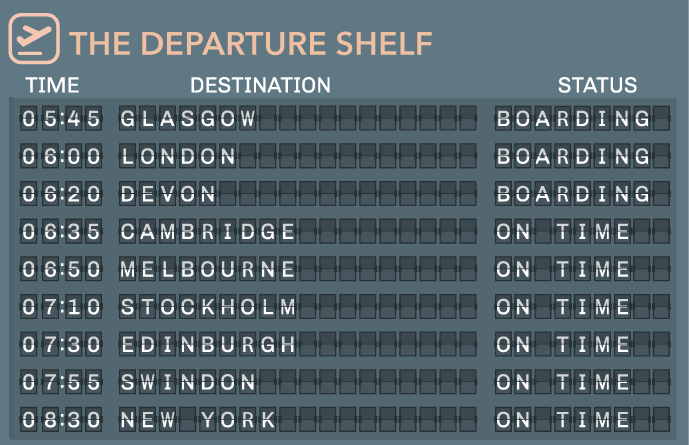
The Departure Shelf is The Endpaper Society’s monthly reading list for travelers who want to go deeper.
Eleanor Oliphant Is Completely Fine by Gail Honeyman
Setting: Glasgow, Scotland, present day
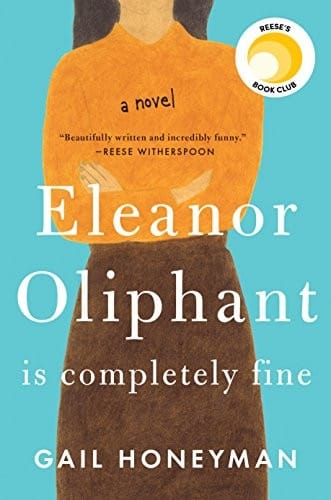
Eleanor Oliphant goes to work, goes home, drinks vodka, and speaks to no one — until a small act of kindness begins to crack open the isolation she has built around a trauma she can’t yet name. Honeyman’s novel is about social anxiety, childhood trauma, and the slow, painful process of letting people in. It is also, quietly, a love letter to the city of Glasgow.
Where it takes you: Glasgow — Scotland’s largest city and one of the most underrated in Britain, with a thriving art scene, extraordinary Victorian architecture, and a working-class culture that produced some of the best writers in the world. The novel’s Glasgow is not the tourist’s Glasgow; it’s the ordinary, overlooked, magnificent city underneath.
The Curious Incident of the Dog in the Night-Time by Mark Haddon
Setting: Swindon and London, England, present day
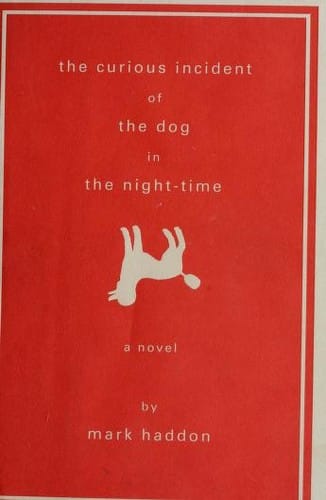
Christopher Boone is fifteen years old, knows all the prime numbers up to 7,057, and has decided to investigate who killed the neighbor’s dog. Haddon’s novel — narrated entirely in Christopher’s voice — is a mystery, a coming-of-age story, and an extraordinary act of perspective-taking: by the end, you understand the world through sensory and logical terms that have permanently altered how you see it.
Where it takes you: Swindon — an overlooked English city in Wiltshire that Christopher’s solo journey through teaches us to look at again — and London, where Christopher’s solo journey to find his mother across an overwhelming city is one of the most gripping sequences in contemporary British fiction.
The Unlikely Pilgrimage of Harold Fry by Rachel Joyce
Setting: across England, from Devon to Berwick-upon-Tweed, present day
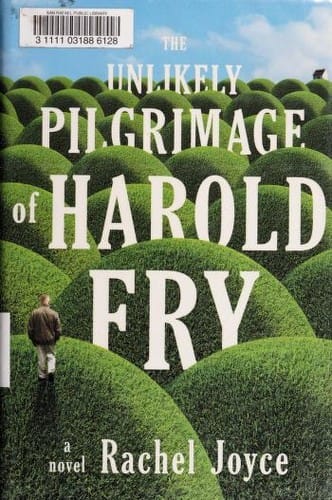
Harold Fry, recently retired and thoroughly adrift, receives a letter from a dying friend he hasn’t seen in twenty years. He sets off to mail a reply — and keeps walking. He walks from Devon to Berwick-upon-Tweed, 627 miles, because he believes that if he keeps walking, his friend will stay alive. Joyce’s novel is about grief, regret, and what happens when you put one foot in front of the other for long enough.
Where it takes you: The length of England — from the coast of Devon through the West Country, up through the Midlands, through Yorkshire, and into Northumberland. The route Harold walks is a literary pilgrimage in its own right, and for walkers, it maps beautifully onto England’s existing network of long-distance footpaths.
Still Alice by Lisa Genova
Setting: Cambridge, Massachusetts & New York City, present day

Alice Howland is a Harvard linguistics professor who begins to forget things. The diagnosis is early-onset Alzheimer’s. Genova’s novel, which she self-published after every major publisher rejected it, became one of the most important books about dementia ever written — told entirely from inside Alice’s experience, following her as her world narrows but her love for her family doesn’t.
Where it takes you: Cambridge and Harvard — the world Alice built her identity around — and the Cape Cod cottage where the family gathers and where memory and place become inseparable. For anyone accompanying a family member through Alzheimer’s, this novel provides a geography of the experience from the inside.
The Rosie Project by Graeme Simsion
Setting: Melbourne, Australia, present day
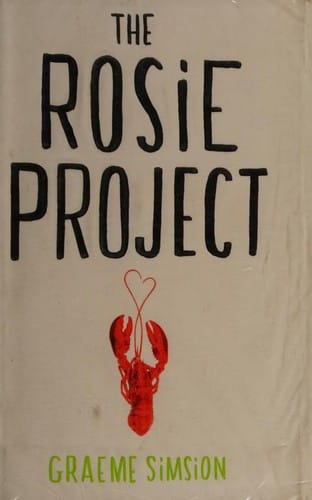
Professor Don Tillman, a genetics professor with undiagnosed autism, creates a questionnaire to find the logically optimal wife. He meets Rosie, who is not optimal. Simsion’s novel is a romantic comedy with a neurodivergent hero, and it does what the best romantic comedies do: it makes you understand that the person society is most likely to overlook is the one most worth knowing.
Where it takes you: Melbourne — Australia’s most European city, with a coffee culture, laneway art scene, and academic community that provides the perfect setting for Don’s highly structured life. For American and British travelers who haven’t made it to Australia’s second city, this novel is an excellent argument for going.
A Man Called Ove by Fredrik Backman
Setting: a Swedish town, present day
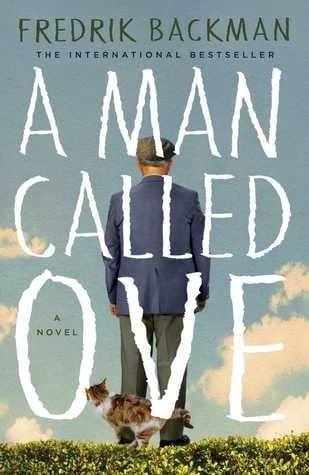
Ove is the grumpiest man in the neighborhood — a man of strict principles and no apparent warmth who has been grieving his wife in silence for six months when a chaotic family moves in next door. Backman’s novel is about depression and isolation told as comedy, and about how community is sometimes built despite and not because of what we intend.
Where it takes you: The Swedish landscape of small towns, row houses, and the particular social geography of Scandinavian neighborhood life. Sweden’s combination of social welfare culture and emotional reserve gives the novel its specific texture — a texture that is most vivid when you’re actually there, driving through the pine forests and past the red houses.
These novels center characters who are navigating the world differently — through autism, Alzheimer’s, grief, and social isolation — and they do so without reducing those characters to their conditions. The places in these books are as real as the people. Go and see for yourself.
Interested in accessible travel planning or literary trips through Europe? Let’s talk.
Get the reading list first.
Trip announcements, curated reading lists, and the occasional dispatch — before anyone else.