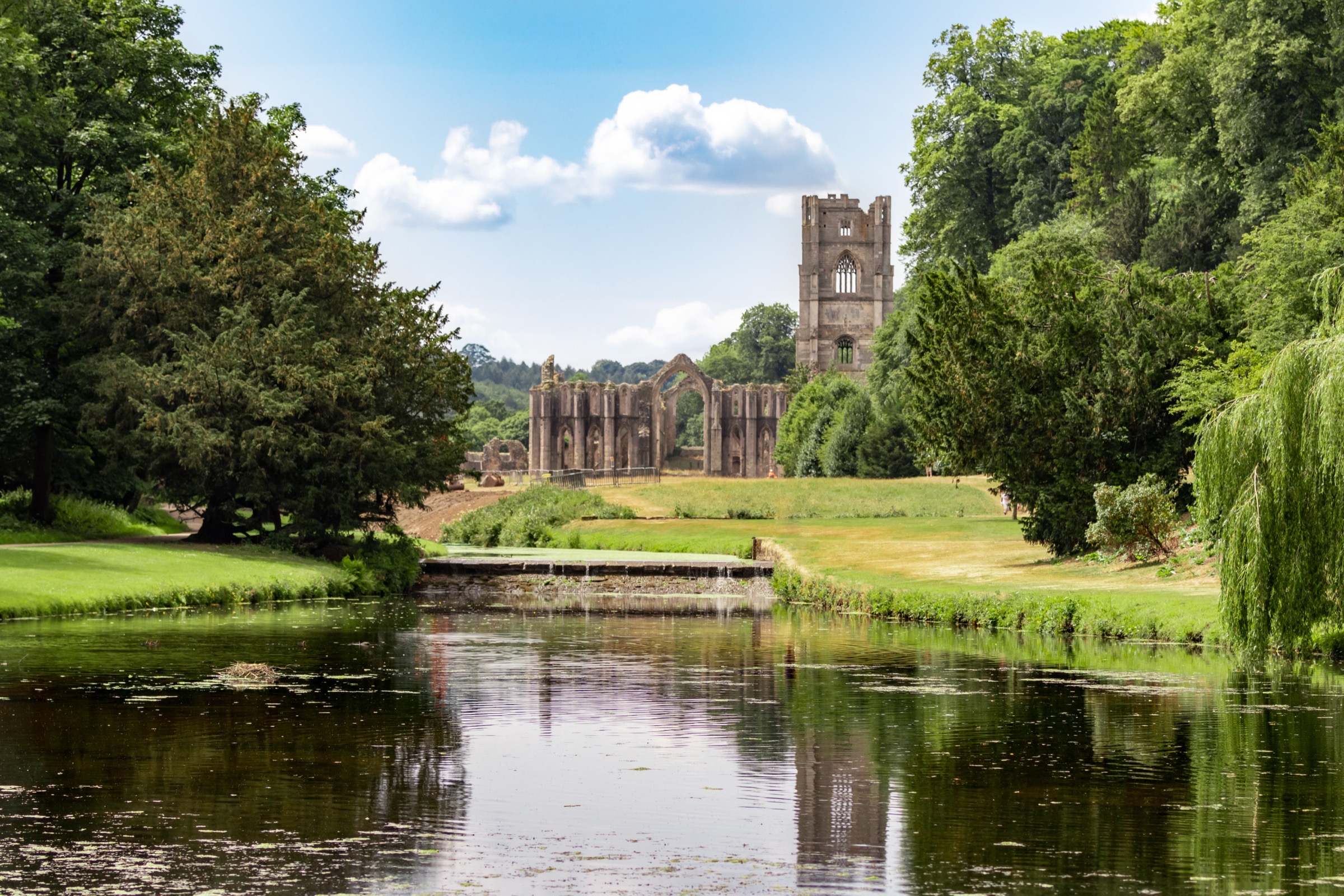
Hosted Cohort · 10 Women · 2–10 October 2027
A literary escape is a book club that ends somewhere. Ten women read five books together online from May, then meet in Yorkshire in October and talk about the last one in a small historic house we have to ourselves. I come with you.
A small historic house in North Yorkshire · announced soon
How It Works
Most literary travel works like this: you sign up, you pay, you land in a foreign city and spend two days working out who you're actually compatible with. Sometimes it works. Sometimes you spend a week being polite.
This runs the other way round. From May 2027 — five months before the train — the ten of you are reading together online. One book a month. Two video calls: one public and free, one private to the cohort. By October you already know who makes the sharpest observations and who notices what everyone else missed. You've been talking to these women since May. You're not walking in alone.
I'll be there the whole week, and not as a guide. I lived in Killinghall, just outside Harrogate, for several years. I know which lane gives the best view at dusk and which pub has the corner table worth claiming.
The cohort locks in April 2027. Find us after that and you can still take a spot if one is open. You'll have had a shorter run-up, that's all — the week itself is every bit as much yours, and the seven others will have you caught up by the second dinner.
Built for this trip: books that take Yorkshire seriously, and books worth arguing about. The final five aren't announced yet, but two are settled. There's a Brontë, and you'll read her before we stand in the room where she wrote. And there's Agatha Christie's The Murder of Roger Ackroyd, published in June 1926 — six months before she disappeared and turned up in a Harrogate hotel we take tea in.
The Week
Not a tour of Yorkshire. A route through four women who made a voice, a claim, a life of their own inside walls built to prevent it — the Brontës at Haworth, Lady Anne Clifford at Skipton, Anne Lister at York, Agatha Christie at Harrogate. One house to come back to, and nine days out from it, with rest built in on purpose. Fly out Friday evening and you are home Sunday, so the whole week costs you five days of leave. Six of the days, briefly:
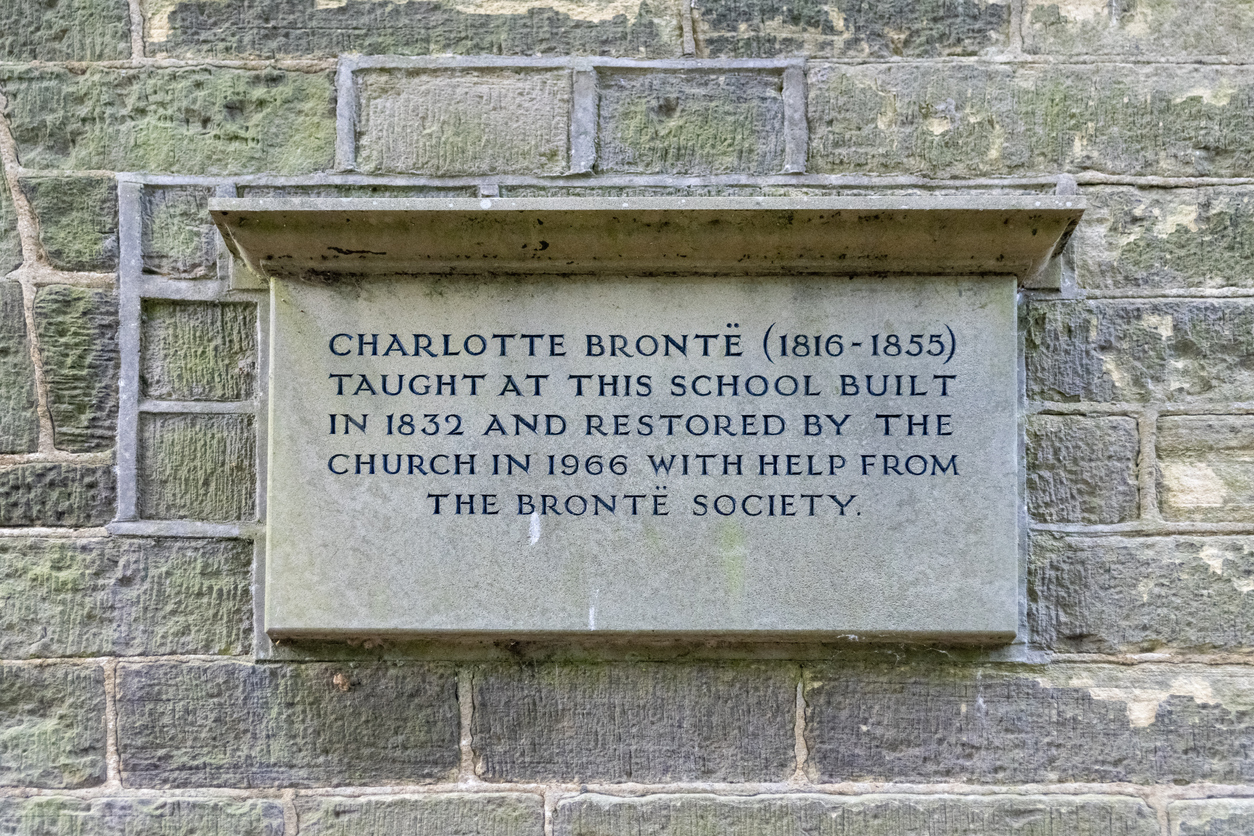
The Brontë Parsonage, and a gentle hour on the moor behind it. The house is small. That's what undoes people — how small it is, and how much came out of it.
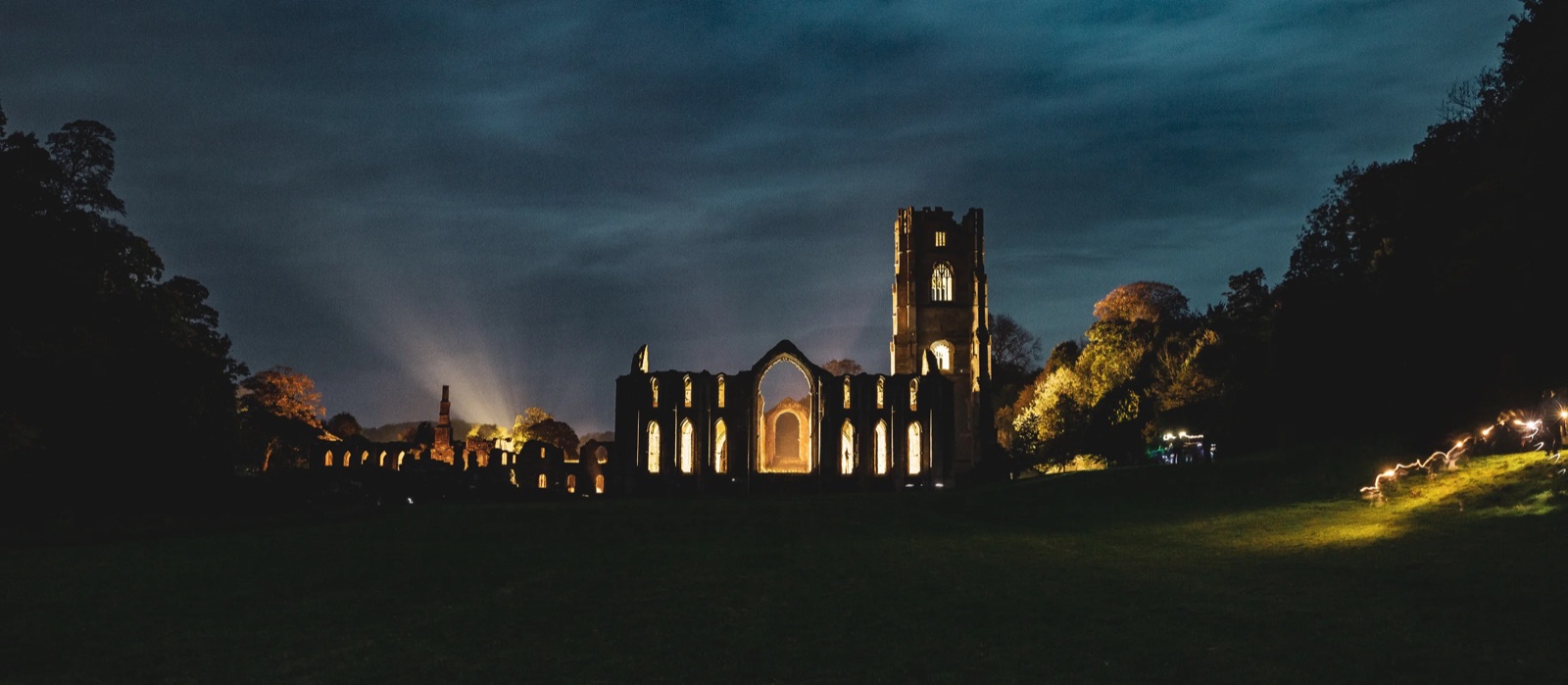
The largest monastic ruins in England, UNESCO-listed with the garden built around them. Once in daylight. Once at night, with a choir in the cellarium.
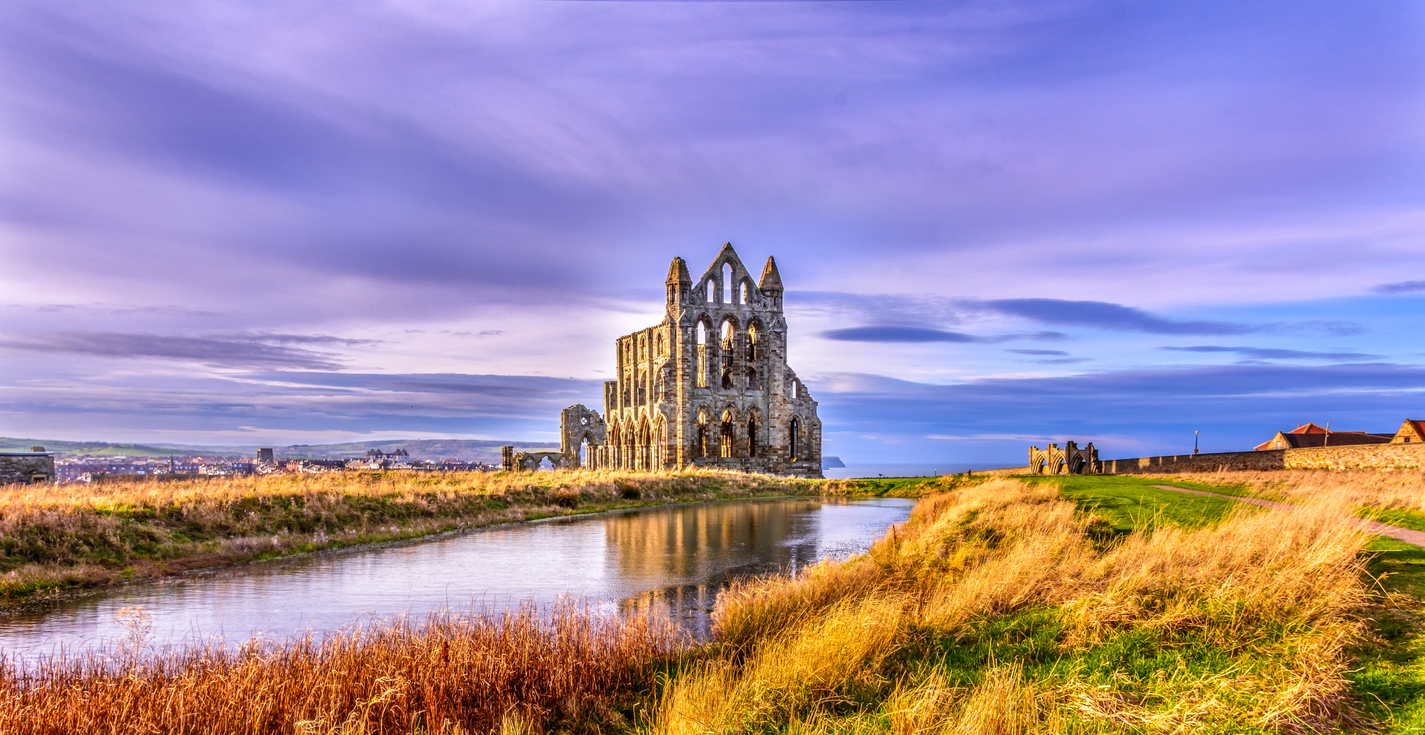
Across the North York Moors to Whitby, where St Hilda ran an abbey in the 7th century and Bram Stoker later put Dracula ashore. The 199 steps, the churchyard above the harbour, and fish and chips at the bottom.
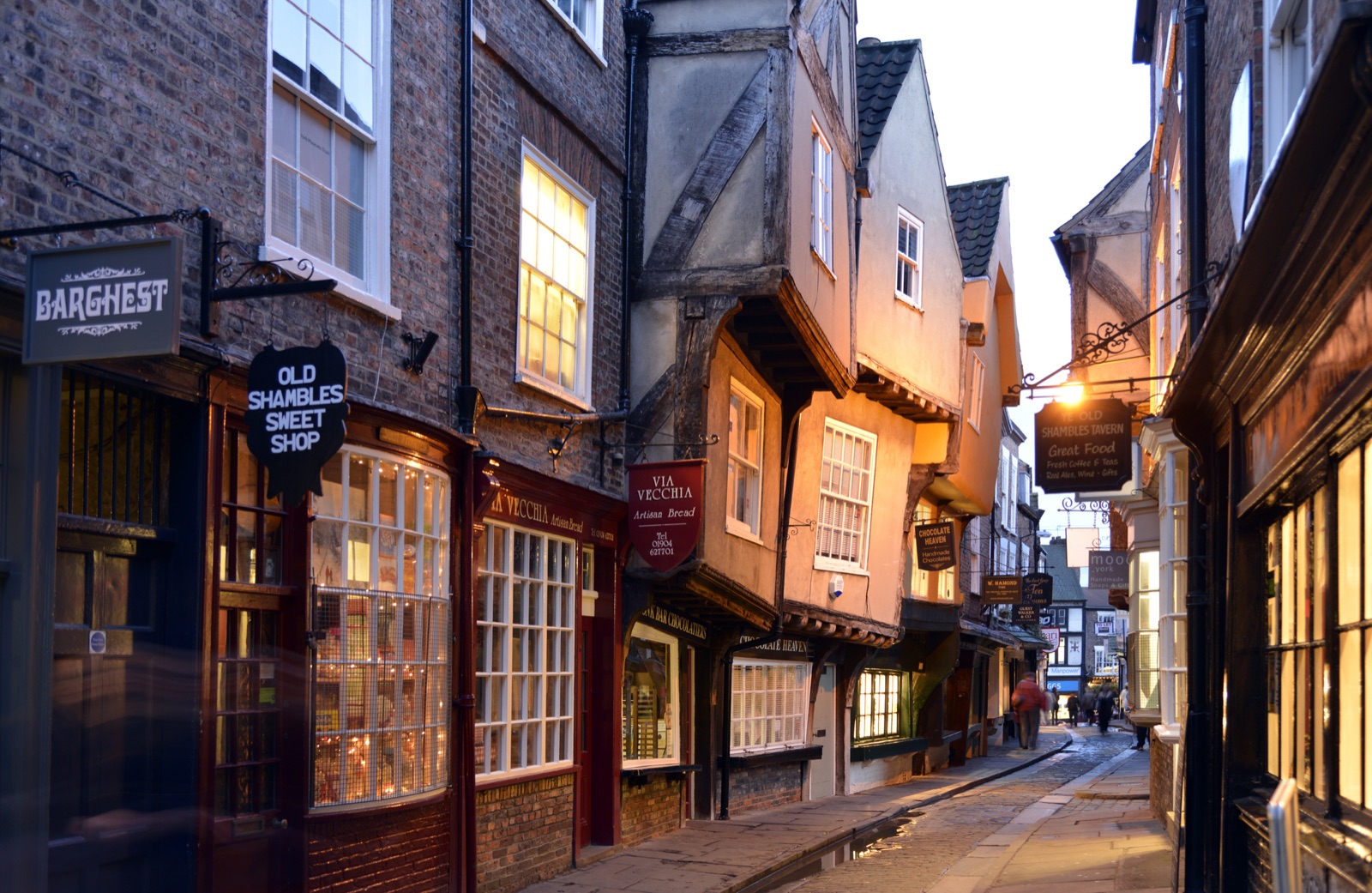
We travel together; you pick your day. The Minster, the Shambles, five floors of antiquarian books, the Viking layer, or just the walls. Lunch at Bettys, where the airmen's mirror is.
Tea at the hotel where Agatha Christie surfaced after eleven days missing, and the women-only session at the 1897 Turkish Baths, with a treatment each.
South to London for a last night in Bloomsbury: a guided walk through the women who wrote there — Wollstonecraft, Rossetti, Woolf, Sayers — then the closing dinner.
Tell us where to send it and the full itinerary opens straight away — every day, what's included, what isn't, and the questions people actually ask.
Why This One Stays
In the summer of 1994 I sat on the grass at Fountains Abbey in the evening with friends, eating a picnic, listening to choral singers. I couldn't tell you one other thing I did that month. I can tell you the light going off the stone, what we ate, who said what, how the voices carried. Thirty-two years later it's still one of the most vivid evenings of my life.
That's why the Yorkshire week is bookended by the same place: Fountains Abbey in daylight at the start, and Fountains by Floodlight at the end — the same ruins, seen twice, transformed.
Six months on, the itinerary will have blurred. What stays is smaller: the cold of the parsonage. Which of the ten of you went quiet at Fountains and pretended otherwise. The table where the argument about an ending ran past midnight.
Six years on, those books won't be books any more. They'll be that October. You'll take one down, find your own handwriting in the margin, and be back on the moor.
And you'll still be talking to these women. I'm not promising you a nice week — I'm trying to hand you an evening you'll still be describing in 2059.
Is This For You?
Questions
It's the normal case, not the exception. Most of the ten come alone, and the five months of reading exist precisely so nobody walks into that dining room on the first night as a stranger. By October you'll have been on two calls a month since May with the same nine women. You'll know whose taste you trust and who you want to sit next to at dinner.
The full price is published in early November 2026. I am not putting a "from" number up before then, because the rate depends on room type and on whether you are taking the whole arc or the week alone, and a figure that turns out not to apply to you is worse than no figure. Register your interest and you get the real one first, with what's included and what isn't, before it goes on the page. Nothing is owed at that point. This is eight nights away — seven of them in a historic house we have to ourselves, with private transport and a lot of access you can't book yourself. It's priced accordingly, and it is not cheap.
The full itinerary opens straight away — all nine days, what's included, what isn't — and I email you the link so you can come back to it. Then you hear from me occasionally about this trip. No deposit, no obligation, and one click unsubscribes. I'm not going to phone you.
No, but I'd rather you did — the arc is the reason the week works. If your spring is already full, ask about a trip-only spot. You'll arrive to seven women who've been talking since May, which is fine, just different.
Because the minibus holds twelve and two of those seats belong to the hosts. That leaves ten — still one dinner table where everybody can hear everybody, and a house small enough that we have all of it. The number doesn't expand — including for a friend you'd like to bring. She takes her own spot or she doesn't come.
The Essentials
| Dates | Sat 2–Sun 10 October 2027. Eight nights: seven in North Yorkshire, one in London. Fly out Friday evening, home Sunday — five days of leave. |
| Group | Up to ten women, plus two hosts. The number does not expand — the minibus holds twelve. |
| The reading arc | May to October 2027 — five books, two calls a month. One public and free, one private to the ten of you. |
| Price | Pricing is published in early November 2026. Register your interest now and you get the figure first, before the page does. |
Put your name on the list and the full itinerary opens straight away — every day, what's included and what isn't. Pricing follows in early November 2026, and the list gets it first. Nothing is owed and no spot is allocated yet; the list is simply the order I come to people in.
Join the waiting list →Get the reading list for this trip.